.svg "truvio_logo")


Organizations should consider Truvio eCommerce when they want a unified commerce platform embedded in Microsoft Dynamics 365 that supports complex B2B, B2C, and D2C selling with integrated product, pricing, and customer data.
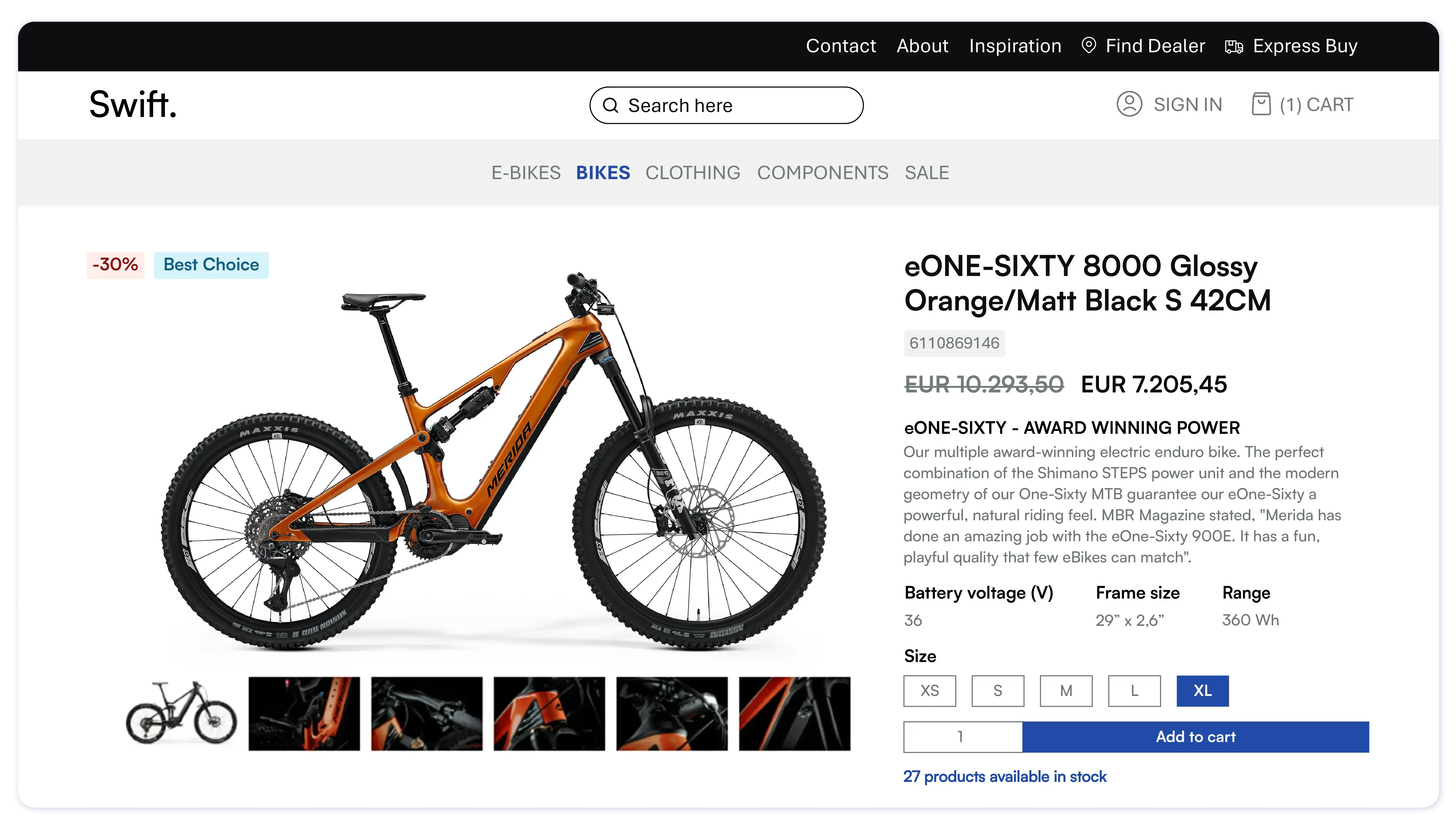






Why Truvio eCommerce?
Truvio eCommerce simplifies complex selling, handles advanced pricing and quotes, and delivers seamless online buying experiences - all on one scalable platform.

Unify your operations
Connect commerce, ERP, PIM, and customer data on one platform to streamline processes across your business.
Handle complex sales
Support advanced pricing, customer-specific catalogs, and quoting workflows designed for modern B2B commerce.
Flexible Editing for All Users
Empower teams to manage content, products, and experiences with intuitive tools built for both business and IT users.
Grow without limits
Scale globally with a flexible architecture that supports new markets, channels, and business models.
Sell everywhere: B2B, B2C, and D2C
Deliver seamless buying experiences across industries, customer types, and digital sales channels.
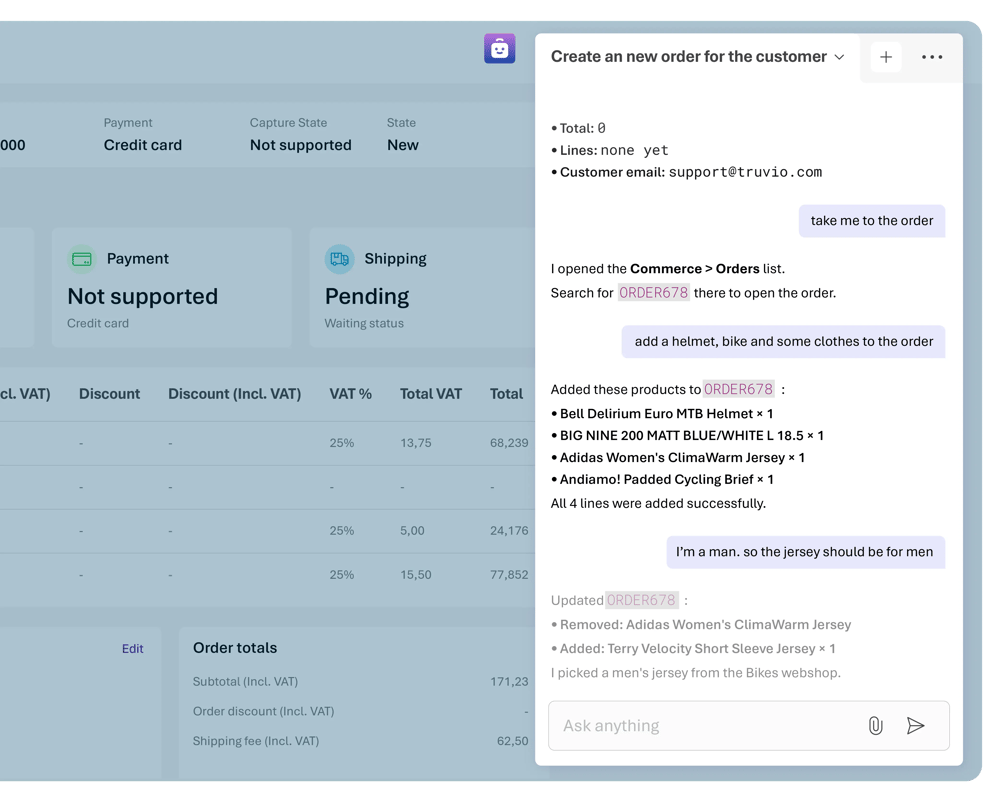
Agentic AI - now in Truvio eCommerce
Set up and run your eCommerce with AI
Dynamo, the built-in AI agent in Truvio Commerce, connects directly to your eCommerce data. From pricing to orders to returns, the AI can configure your commerce and help you keep it running day to day.
-
Set up discounts and vouchers, and manage prices, currencies and VAT.
-
Handle orders end to end — create, edit, change state, add or remove lines.
-
Process returns (RMA) and track-and-trace, and manage recurring orders.
-
Configure payment and shipping methods.
-
Build assortments and customer-specific catalogues.
-
Manage customers, user groups and addresses, and your stock locations.

"We are very satisfied with Truvio Commerce (powered by DynamicWeb). It has been a win-win outcome for us, since it provides all of the functionality we need, and a reasonable price – and with the opportunity to scale with the business."

“With our new platform, we’re not just digitally up to date - we’re ready for what’s next.”

"The transition to Truvio Commerce (powered by DynamicWeb) has been an important milestone for us. We now have a modern, user-friendly, and future-proof platform — and a solution that we can continue to develop as our business grows.“

"We see a lot of added value with our solution, simply in the sense that we save an extreme amount of time."

"With this new solution, customers have access to see all of their invoices and orders without having to call us. It’s not just placing orders through the webstore - they now have full visibility into what they’re doing with us. Another improvement I’ve seen is that we now have this great web presence. It’s a much better overall experience."

"We now have a platform that is more user-friendly, clearer, and easier to understand. It makes everything simpler."

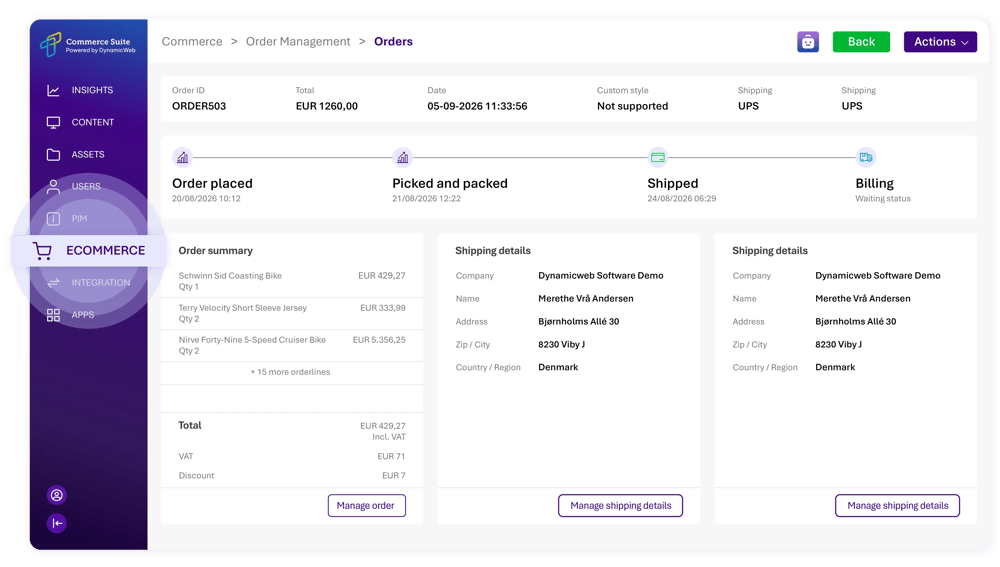
Accelerate Growth with an Enterprise eCommerce Platform Connected to Your ERP
One platform connects your commerce, content, and product data - fully integrated with Dynamics 365 from day one. No middleware, no sync lag, no third-party connectors to maintain.
- Real-time pricing and inventory read directly from D365 - always accurate
- Supports B2B, B2C, and D2C from a single codebase - no reconfiguration needed
- Headless commerce APIs and multi-store capabilities for teams that need flexibility
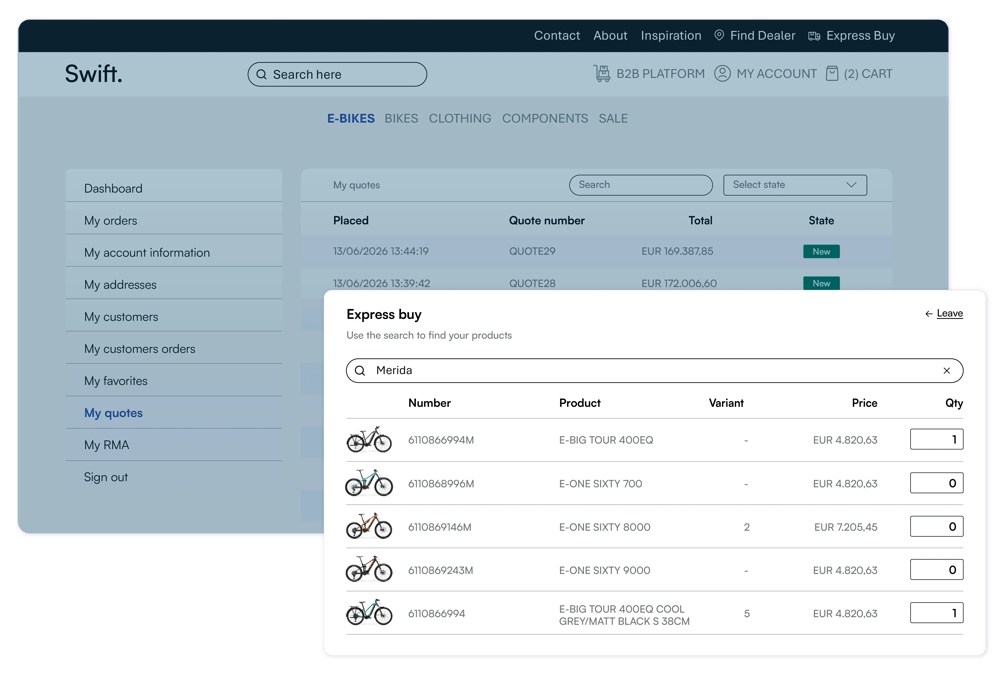
Deliver Omnichannel Commerce Experiences That Delight Every Customer
Give buyers the experience they expect - self-service portals, tailored quotes, custom order workflows, and checkout options that match how they actually buy.
- Customer-specific catalogues, pricing, and payment terms — driven by ERP data
- Multichannel selling across marketplaces, social platforms, and custom channels
- Ready-made payment, shipping, and tax connectors — launch faster, scale globally
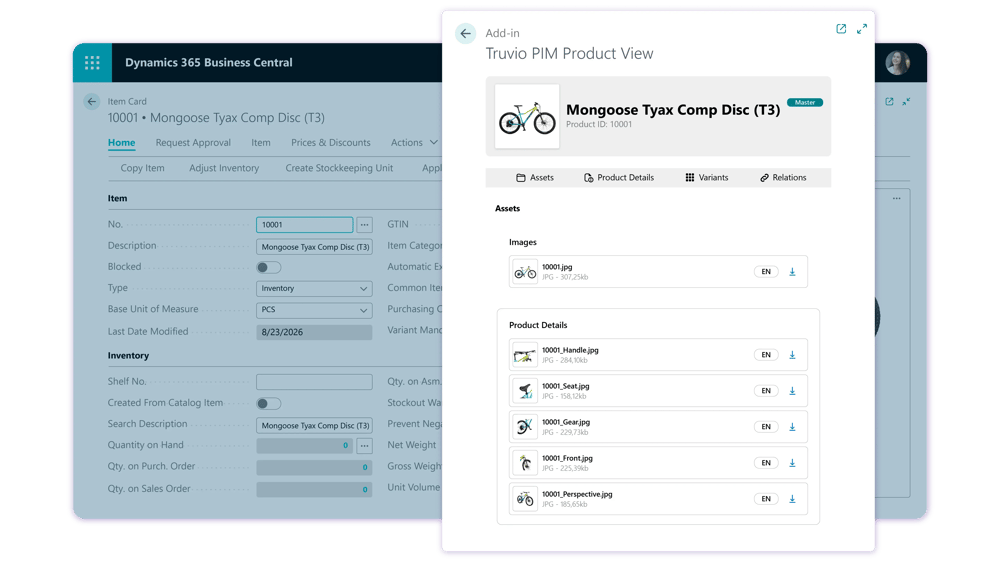
Connect eCommerce and ERP for Smarter, Personalized Selling
When your eCommerce platform reads directly from D365, every interaction is built on accurate, real-time data, not a synced copy. Pricing reflects contracts, inventory reflects reality, and customer history is always current.
- Real-time availability and pricing - no sync jobs, no stale data
- Order history, easy reordering, and returns in customer self-service
- Loyalty and personalized promotions driven by ERP master data
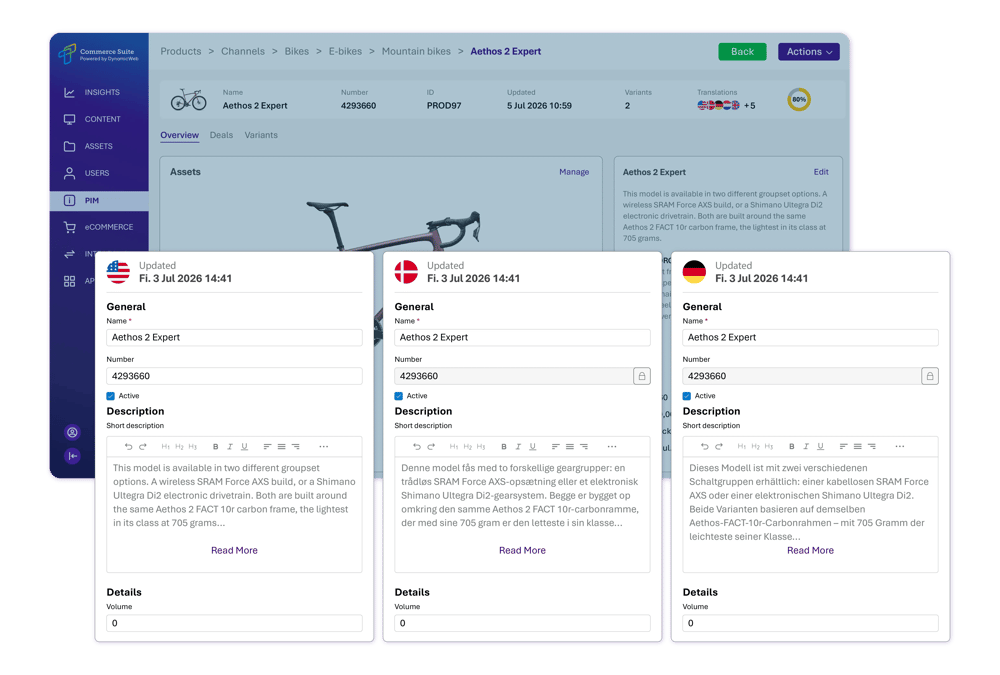
Centralize Product Information with Truvio's built-in PIM System
Enrich, validate, and publish product content once - then push it to every storefront, market, and channel from a single source of truth. No duplicate work, no inconsistent data.
-
Manage product data once, publish everywhere — no channel-by-channel updates
-
Completeness tracking flags gaps before products go live
-
Structured, relational data powers better search, filtering, and personalization
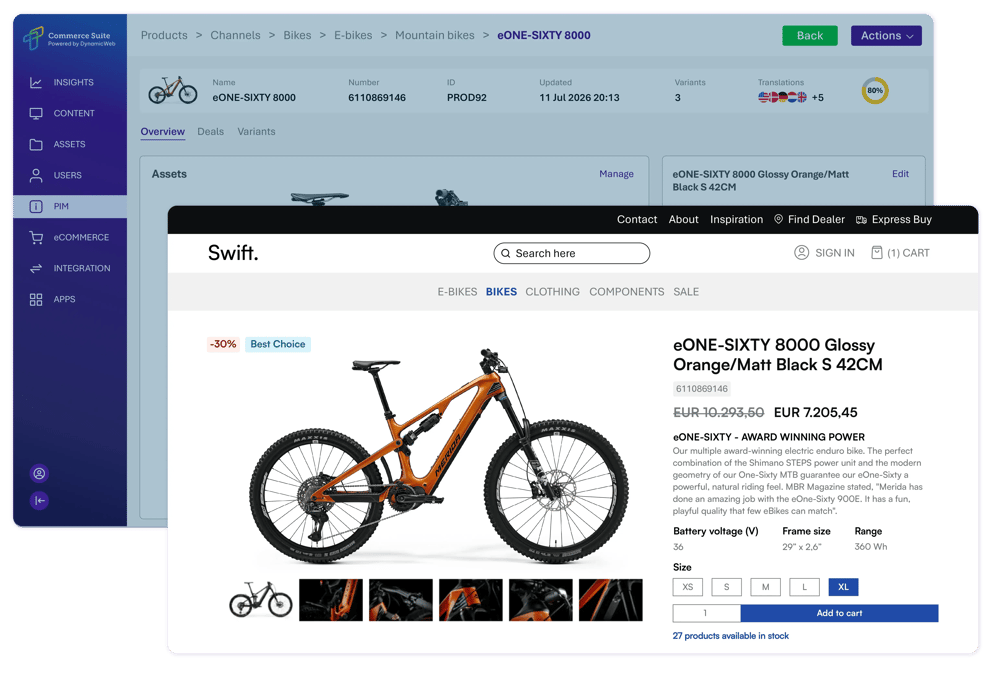
Unify Content Management and eCommerce in One Platform
Deliver seamless content and commerce experiences by managing marketing content and product catalogs in a single platform—creating unified customer journeys from storytelling to purchase.
Boost conversion with consistent branding, personalized promotions, and dynamic content that adapts to customer behavior throughout the buying process. By combining website content, landing pages, product pages, and eCommerce functionality in one system, you reduce operational complexity, eliminate duplicate tools, and streamline execution across teams.